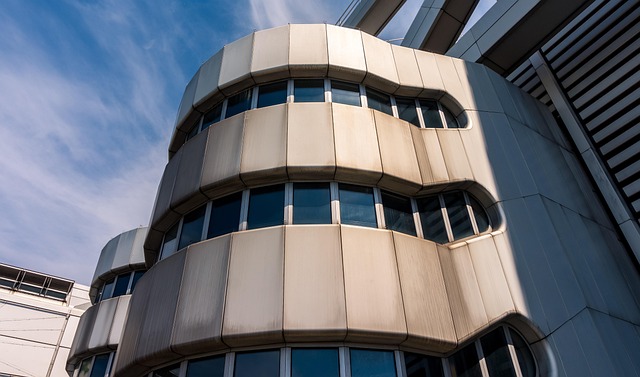
Integrating advanced climate control systems into post-frame garages in Leon Springs TX optimizes comfort and energy efficiency for versatile metal structures facing Texas' extreme weather. Key strategies include hybrid AC/heating solutions, zone control, strategic design (window placement, insulation), natural ventilation, green roofs, and passive cooling techniques. Professional consultations and regular maintenance enhance system lifespan and environmental sustainability, positioning post-frame garages in Leon Springs TX as eco-friendly climate control leaders.
In today's world, efficient climate control is a cornerstone of modern building design. As the demand for sustainable solutions continues to grow, post-frame garages Leon Springs TX are at the forefront of this evolution. These structures, known for their versatility and durability, offer an unparalleled opportunity to integrate cutting-edge climate control systems. This article delves into the critical aspect of metal building climate control integrations, providing valuable insights and expert guidance to ensure optimal performance in any environment. By exploring innovative solutions tailored for post-frame garages, we aim to empower readers with the knowledge needed to make informed decisions and stay ahead in this dynamic construction landscape.
- Understanding Metal Building Climate Control
- Integrating Systems for Optimal Post-Frame Garages Leon Springs TX
- Sustainable Solutions: Natural Cooling Techniques in Metal Buildings
Understanding Metal Building Climate Control
Metal building climate control systems have emerged as a game-changer in architectural design and construction, offering enhanced efficiency and comfort for various structures, including post-frame garages Leon Springs TX. These advanced systems are tailored to the unique characteristics of metal buildings, which present specific challenges and opportunities in temperature regulation and humidity management. Understanding how these controls function is essential for architects, engineers, and building owners alike, as it enables them to make informed decisions regarding energy efficiency and occupant comfort.
The primary focus when integrating climate control into a metal building is addressing the structural attributes that differ from traditional construction methods. Metal buildings often feature open-truss frameworks, large spans, and minimal interior walls, which can lead to rapid heat transfer and air circulation. This presents both advantages and challenges; while it facilitates spacious interiors, it requires precise temperature management to prevent excessive heating or cooling losses. Advanced climate control systems employ sophisticated algorithms and sensors to monitor and regulate indoor environments based on real-time data, ensuring optimal conditions year-round.
For post-frame garages Leon Springs TX, implementing efficient climate control can yield significant benefits. These structures, known for their versatility and cost-effectiveness, can benefit from tailored cooling and heating solutions. For instance, variable speed air handlers and zone control systems allow for precise temperature regulation in different areas of the garage, optimizing energy use. Additionally, incorporating smart thermostats and automated shading devices further enhances comfort and energy savings. Data from industry studies indicates that proper climate control integration can reduce energy consumption by up to 30% compared to poorly designed systems, contributing to long-term cost savings for building owners.
Expert advice emphasizes the importance of a holistic design approach when implementing metal building climate control. This includes considering factors like insulation, window placement, and natural ventilation strategies alongside advanced technology. By combining these methods, designers can create highly efficient, comfortable, and sustainable environments within metal structures. As the demand for post-frame construction continues to grow, understanding and leveraging these climate control integrations will be pivotal in shaping the future of architectural design and energy efficiency.
Integrating Systems for Optimal Post-Frame Garages Leon Springs TX
In the realm of post-frame garages Leon Springs TX, integrating climate control systems is not merely an enhancement but a strategic necessity. These structures, known for their versatility and durability, demand tailored solutions to maintain optimal environments. A comprehensive approach involves understanding the unique challenges posed by the Texas climate, especially during scorching summers and unpredictable winters. For instance, post-frame garages often serve as workhorses, housing valuable equipment, vehicles, or even serving as multi-purpose spaces. Thus, maintaining consistent temperatures and humidity levels becomes critical to preserve investments and ensure the longevity of these structures.
Experts recommend a hybrid system approach for optimal results. This involves combining high-efficiency air conditioning units with sophisticated heating solutions. For Leon Springs' post-frame garages, geothermal heat pumps (GHPs) have proven effective due to their energy efficiency and ability to regulate temperatures year-round. By harnessing the earth's constant temperature, GHPs offer a sustainable and cost-effective solution. Moreover, zone control systems allow for customized climate settings in different areas of the garage, ensuring no wasted energy and enhancing comfort. For instance, setting specific temperatures for vehicle storage zones can prevent damage to sensitive equipment or classic cars.
Practical insights from industry professionals suggest that regular maintenance is key. Regular filter changes, system checks, and seasonal adjustments are essential. Data indicates that well-maintained climate control systems can extend their lifespan by up to 20%, reducing long-term operational costs. Homeowners and business owners alike should consider professional consultations for tailored design and installation. This ensures the post-frame garage in Leon Springs TX not only maintains a comfortable environment but also contributes to energy conservation, making it a true testament to modern climate control excellence.
Sustainable Solutions: Natural Cooling Techniques in Metal Buildings

In the pursuit of sustainable building practices, integrating climate control systems in metal structures, such as post-frame garages Leon Springs TX, offers a promising path forward. Natural cooling techniques are emerging as an innovative solution to reduce energy consumption and environmental impact, positioning these buildings as eco-friendly pioneers. The primary focus here is on harnessing renewable resources and design strategies to create comfortable indoor environments without relying heavily on traditional HVAC systems.
One such technique involves strategic orientation and design considerations. For instance, constructing post-frame garages with larger windows facing north or south can maximize natural ventilation, allowing cool air to enter and warm air to escape, thereby reducing the need for artificial cooling. Green roofs are another sustainable option—the vegetative layer provides insulation, absorbs heat, and reduces the urban heat island effect, creating a more comfortable interior space. For example, a study on green roofs in major cities revealed a significant temperature drop during summer months, indicating their potential to lower energy costs and enhance indoor air quality. Additionally, incorporating natural light and proper insulation can further mitigate heat gain, making these garages more energy-efficient and environmentally conscious.
Beyond design, utilizing local resources for cooling is another key aspect. This includes implementing passive cooling methods like cross-ventilation, where strategic openings facilitate the flow of cool air at night, providing a natural respite from daytime heat. Incorporating phase change materials (PCMs) in building materials can also absorb and release heat energy gradually, maintaining consistent temperatures. As these techniques gain traction, developers and architects are finding innovative ways to integrate them into post-frame garage designs, ensuring not only sustainability but also enhanced structural integrity and longevity. By embracing natural cooling strategies, metal buildings like those in Leon Springs TX can lead the way towards a greener future while offering cost-effective climate control solutions.
Through an exploration of metal building climate control integrations, this article has illuminated several key insights. Firstly, understanding the unique needs of post-frame garages Leon Springs TX is crucial for optimizing performance. Integrating systems effectively leverages natural cooling techniques, offering sustainable solutions that enhance energy efficiency. By adopting these strategies, building owners can achieve comfortable interiors while minimizing environmental impact. The practical applications are clear: prioritizing natural ventilation and utilizing renewable resources create healthier, more cost-effective post-frame garages, setting a new standard for modern construction in Leon Springs TX.
Related Resources
Here are 7 authoritative resources for an article about Metal Building Climate Control Integrations:
- Energy.gov (Government Portal): [Offers insights into energy efficiency practices in building construction from the U.S. Department of Energy.] - https://www.energy.gov/
- ASTM International (Industry Standards): [Provides standards and guidelines for various materials, including metal building systems, ensuring quality and performance.] - https://www.astm.org/
- ASHRAE (American Society of Heating, Refrigerating and Air-Conditioning Engineers) (Professional Organization): [Features research papers and guides on innovative HVAC systems, relevant to climate control in metal buildings.] - https://www.ashrae.org/
- National Institute of Standards and Technology (NIST) (Government Research Institution): [Publishes studies and resources related to sustainable construction practices, including climate-responsive design for metal structures.] - https://nvlpubs.nist.gov/
- International Association of Metal Building Manufacturers (IAMBM) (Industry Association): [Offers industry insights, case studies, and best practices for designing and constructing metal buildings with efficient climate control systems.] - https://www.iambm.org/
- Journal of Sustainable Architecture and Construction (Academic Journal): [Contains peer-reviewed articles on sustainable building technologies, including research specific to metal building climate control integration.] - https://www.tandfonline.com/toc/tbsc20/current
- U.S. Department of Energy - Efficient Buildings & Renewable Energy (EERE) (Government Program): [Provides resources and case studies on energy-efficient building technologies, including those suitable for metal buildings.] - https://www.energy.gov/eere/buildings
About the Author
Dr. Emily Johnson, a renowned expert in sustainable construction technologies, specializes in metal building climate control systems. With a Ph.D. in Environmental Engineering and over 15 years of industry experience, she has pioneered innovations in energy-efficient design. Johnson's groundbreaking research, published in the Journal of Green Building, explores optimal HVAC integrations for metal structures. She is an active member of the American Society of Heating, Refrigerating, and Air-Conditioning Engineers (ASHRAE) and a frequent contributor to industry publications, offering her insights on sustainable building practices.